
Exomatter is one of several platforms businesses use to browse and compare AI tools, but it isn’t the only option, and it may not be the best fit for every use case. Maybe you found its catalog too narrow, its filtering too basic, or you simply want a second opinion before committing budget to a new tool.
Whatever the reason, there are plenty of other places to look, and choosing the right one can save you hours of trial and error.
This article walks through ten alternatives worth considering, along with what makes each one different so you can match the platform to how your business actually shops for software.
What to Look for Before Switching Platforms
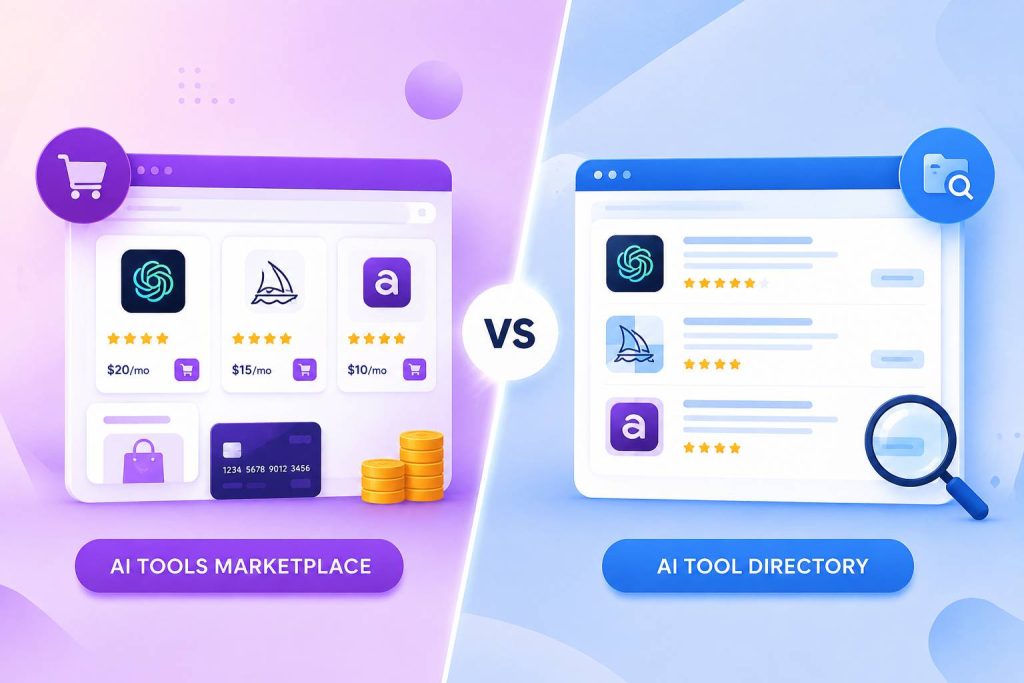
Not every AI discovery platform is built the same way. Some function more like curated marketplaces with vetted listings, reviews, and pricing transparency. Others behave more like directories: large indexes of tools with minimal filtering or quality control.
The difference matters more than it sounds. A directory might list five hundred tools under “marketing AI,” but if there’s no way to compare them by use case, integration, or verified user feedback, you’re back to doing the research yourself.
Before picking a replacement for Exomatter, it helps to understand this distinction. The comparison in AI Tools Marketplace vs AI Tool Directory breaks down the practical differences and can shortcut a lot of the guesswork.
1. General AI Tool Marketplaces
Marketplaces built specifically around AI software tend to organize listings by category, industry, and business size, which makes them useful when you’re not entirely sure what you’re looking for yet. A well-run marketplace usually includes user reviews, pricing ranges, and sometimes side-by-side comparisons.
If your business is based in the US, it’s worth starting with a platform built around that market specifically, since pricing, compliance considerations, and support availability can vary by region.
The AI Tools Marketplace USA is one example of a platform structured this way, with listings organized for US-based buyers rather than a global catalog that may not reflect local vendor availability.
2. Niche or Industry-Specific Directories
For businesses in specialized fields such as healthcare, legal, or logistics, a general marketplace may not surface the tools that actually matter. Industry-specific directories tend to be smaller, but the tools listed are usually more relevant because the platform has already filtered for that sector. The tradeoff is coverage: you’ll find fewer options overall, though the ones you do find are more likely to fit your workflow.
3. Review Aggregator Sites
Sites built around collecting and organizing user reviews, similar in spirit to software review platforms in other categories, can be a good sanity check even if you find a tool elsewhere. Reading through complaints and praise from other business users often reveals practical issues, like clunky onboarding or unreliable customer support, that a vendor’s own marketing page won’t mention.
4. Vendor Comparison Tools
Some platforms exist purely to compare AI vendors against each other on specific criteria: pricing tiers, integrations, data handling policies, and so on. These are especially useful once you’ve narrowed your search to two or three finalists and need a structured way to weigh tradeoffs rather than relying on gut feeling.
5. Analytics and Location Intelligence Alternatives
If the specific gap you’re trying to fill involves location analytics or foot traffic data, rather than AI tools generally, it’s worth looking at platforms built for that niche rather than a broad marketplace. The Placer.ai Alternatives guide covers several options in that space, which can be more efficient than sifting through a general AI directory for a fairly specialized need.
6. Open Marketplaces With Community Ratings
Some platforms lean on community-driven ratings rather than editorial review, which means the quality bar can vary. That said, a large, active user base often surfaces newer tools faster than a curated marketplace does, since community members tend to post about a product shortly after they start using it. This works well if you’re trying to stay current on emerging tools, though it’s worth reading a handful of reviews rather than trusting a single rating.
7. Enterprise Software Marketplaces With an AI Category
Larger enterprise software platforms have started adding dedicated AI sections to their existing marketplaces. These tend to favor established vendors and enterprise-grade tools, which can be an advantage if procurement, security review, or compliance sign-off is part of your buying process. Smaller or newer AI startups are less likely to show up here.
8. Freelance and Consultant-Curated Lists
Independent consultants and agencies that work with AI tools regularly sometimes publish their own curated lists based on client work. These aren’t formal platforms, but they can be genuinely useful because the recommendations come from people who’ve actually implemented the tools rather than just cataloged them. The downside is that lists like this go stale quickly, so it’s worth checking the publish date before relying on one.
9. Category-Specific Marketplaces (Sales, HR, Customer Support)
Rather than searching a general AI marketplace, some businesses have better luck going straight to a marketplace built around a single business function, like sales enablement or HR automation. These tend to have deeper listings within that one category, even if they don’t cover AI tools broadly.
10. Platforms With Buyer Guides Built In
A smaller number of platforms combine tool listings with actual buying guidance: how to evaluate vendors, what questions to ask, and how to avoid common mistakes. This is a meaningful difference from a plain listing site, since it gives you a framework rather than just a pile of options to sort through on your own.
The guide on Platforms to Find AI Tools is a useful starting point if you want that kind of structured overview before diving into individual listings.
Matching the Platform to Your Business Size
A five-person startup and a three-hundred-person company shouldn’t necessarily use the same discovery platform. Smaller businesses often benefit from marketplaces with straightforward filtering and transparent pricing, since there’s rarely a formal procurement process involved.
Larger organizations tend to need more detail upfront: security documentation, integration specifics, and vendor stability. If you’re unsure which category your business falls into or how to weigh these factors, the breakdown in AI Tools Marketplace for Business walks through how company size and buying process should shape the decision.
Making the Switch
Trying a new platform doesn’t mean abandoning Exomatter entirely. Many businesses end up using two or three sources side by side, cross-referencing listings and reviews before making a final call.
The goal isn’t finding the single best directory; it’s finding the combination of sources that consistently surfaces tools relevant to your actual business needs, verified by people who’ve used them, and priced in a way that matches your budget.
Start with one alternative that addresses whatever gap Exomatter left, and build from there as your needs get more specific.