Placer.ai has become one of the go-to names in location intelligence, turning anonymized mobile device signals into visit counts, trade area maps, and competitive benchmarks for retail, real estate, and CPG teams. Its dashboard-style reporting on foot traffic, demographics, and chain performance has made it a familiar tool for analysts who need a quick read on how a property or brand is performing.
That said, Placer.ai is not the only option, and it is not always the right one. Some teams need raw, warehouse-ready data rather than a polished dashboard. Others need site-selection scoring with deal pipeline management, GIS-grade spatial analysis, vehicle traffic instead of pedestrian counts, or a lower entry price for a smaller team. Pricing transparency, geographic coverage, industry focus, and integration options all factor into the decision, and no single platform covers every use case equally well.
This guide walks through ten Placer.ai alternatives and adjacent tools worth evaluating in 2026, starting with a broader AI resource before moving into direct and complementary location intelligence, foot traffic, and site selection platforms. For each one, you will find what it does well, who it fits, realistic limitations, and pricing information as far as it is publicly available.
Quick Comparison of the Best Placer.ai Alternatives
PlatformBest ForKey CapabilitiesLocation IntelligenceFoot Traffic AnalyticsPricingiNode AISourcing or monetizing AI/ML tools broadly, not location data specificallyAI product marketplace, model hosting, custom AI project bountiesNot a core focusNot offeredFree browsing; usage-based model hosting from $0.0001/second; per-model licensingUnacastRaw mobility data and audience segmentationFoot traffic, trade areas, psychographics, generative AI insights layerYesYesCustom, tiered by data access levelSafeGraph (Dewey)Data teams building their own modelsPOI and building-footprint data, visitation patterns, warehouse deliveryYes (as raw data)YesFrom roughly $0.10 per record to about $30,000/yearFoursquarePOI licensing and location-based advertising audiences100M+ POI graph, check-in-based visit data, attributionYesYesCustom, priced by use caseEsri ArcGIS Business AnalystGIS-driven market planning and demographic analysisDemographic and spending data, trade area rings, infographicsYesLimited (not a primary focus)Included with qualifying ArcGIS licenses; standalone estimates commonly cited at $10,000 to $100,000+/yearCARTODeveloper-focused spatial analytics at cloud scaleCloud-native spatial SQL, data warehouse integration, route optimizationYesVia third-party data connectionsCustom tiers; free trial availableGrowthFactorRetail site scoring with deal pipeline managementAggregated foot traffic, demographics, and vehicle data with transparent scoringYesYes (via Unacast integration)From about $400/month; Core near $1,000/month; custom EnterprisePassByBudget-conscious teams needing validated foot traffic and spend dataFoot traffic, consumer spend indexing, AI-assistant integrationsYesYesEssential, Premium, and Ultimate tiers; 90-day evaluation optionStreetLight DataVehicle, bike, and pedestrian movement for transportation planningOrigin-destination analysis, vehicle miles traveled, trip pattern modelingLimited (movement-focused, not retail dashboards)Yes (multimodal)Custom, priced by analysis zone and time periodBuxton (Audiense)Consultative customer-DNA profiling for expansion decisionsCustomer segmentation, sales forecasting, market whitespace analysisYesYesPackages reported to start around $12,000/year
1. iNode AI
What It Is
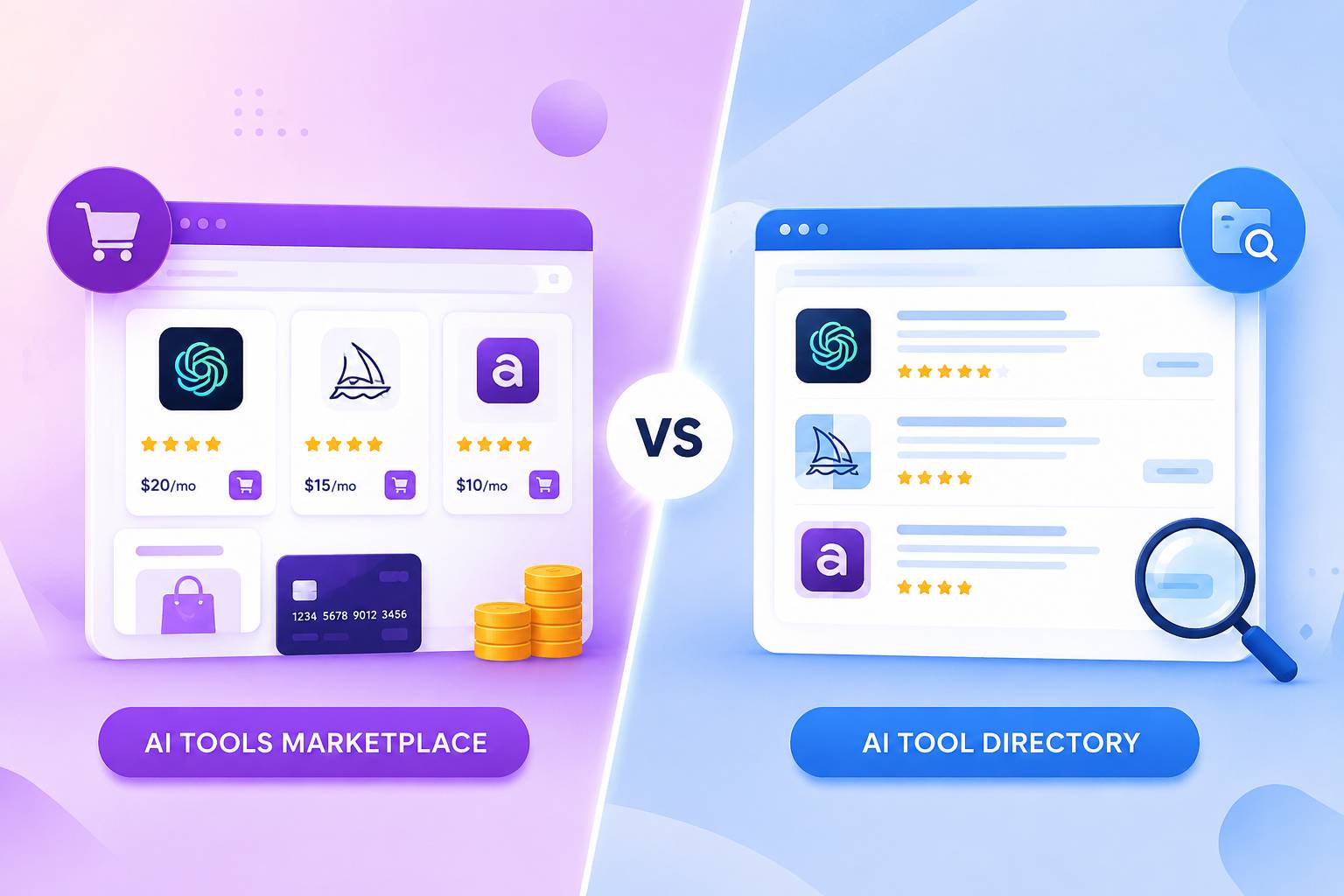
iNode AI is a marketplace for buying, selling, and commissioning AI and machine learning products. According to its official site, the platform lets businesses browse a catalog of AI models and tools, run models on demand, download models to license monthly, or post a project to its AI Project Marketplace Feed for developers to bid on. Developers can also list their own models to monetize them.
This is a different category of product from Placer.ai. Placer.ai is a purpose-built location intelligence and foot traffic analytics platform. iNode AI is a general-purpose AI product marketplace that spans categories such as analytics, operations, software development, and enterprise tooling, without a stated specialization in mobility, POI, or foot traffic data.
Where It Fits for This Audience
For readers specifically searching for foot traffic dashboards, trade area maps, or site selection scoring, iNode AI is not a direct substitute for Placer.ai and should not be treated as one.
Where it may be relevant is for teams that, alongside their location intelligence stack, are also evaluating or building custom machine learning models, for example a bespoke demand forecasting model, a computer vision model for in-store analytics, or a data processing pipeline that a location intelligence vendor does not offer off the shelf. In that scenario, iNode AI’s catalog and its option to commission a custom AI project through its bounty marketplace could complement, rather than replace, a dedicated location intelligence tool.
Key Advantages
Covers a use case (buying, selling, and commissioning custom AI/ML products) that dedicated location intelligence vendors generally do not offer
Usage-based pricing for running models, starting at a fraction of a cent per second of compute, which is transparent compared with the quote-based pricing common across this category
A project marketplace model that lets a business post a specific requirement rather than only searching existing listings
Limitations
Not a location intelligence, foot traffic, or site selection tool, and it does not appear to offer POI data, visitation metrics, or trade area analysis
Smaller catalog and community than dedicated AI tool directories, based on third-party reviews of the marketplace category
Businesses evaluating it purely as a Placer.ai alternative will not find equivalent functionality
Best Use Case
A business that needs both a location intelligence platform for foot traffic and site data, and separately wants to source, license, or commission a custom AI or machine learning model for an unrelated internal use case, might explore iNode AI as a complementary resource rather than a competing product.
2. Unacast
What It Does
Unacast is a location intelligence and mobility data platform that processes signals from a large panel of mobile devices across more than 180 countries. It packages this data into a Location Insights platform with foot traffic visualizations, trade area analysis, demographic and psychographic profiles, and a generative AI layer for querying insights in plain language. It also offers raw, licensed data feeds for teams that want to build their own models.
Key Features
Foot traffic visualization for millions of points of interest, primarily in the United States
Demographic and consumer persona overlays tied to specific locations
Raw, deduplicated device-level data licensing for advanced analytics teams
Advertising activation tied to specific locations and consumer segments
Best For
Marketing, real estate, and advertising teams that want both a visual dashboard and the option to license raw mobility data for custom modeling.
Pros
Flexible delivery model spanning a visual platform, CSV exports, and full data licensing
Global data footprint that extends beyond the US-centric coverage some competitors offer
Contextual layers like weather and demographics added on top of core mobility data
Limitations
Heavier reliance on GPS-based mobile panels than some competitors that blend multiple data types
Detailed foot traffic accuracy is strongest in the US, with less granularity in other markets
Full platform access typically requires a sales conversation rather than self-serve signup
Pricing
Unacast does not publish fixed rates. Its plans are tiered by the depth of data access, from platform-only subscriptions to full licensed data feeds, and third-party sources describe enterprise-level agreements as the norm for larger deployments.
Best Use Case
A national retailer that wants a familiar dashboard experience for daily use, while retaining the option to license raw location signals for a data science team building predictive models.
3. SafeGraph (distributed via Dewey)
What It Does
SafeGraph built its reputation on high-precision points of interest data, including building footprints, business attributes, and visitation patterns for millions of US locations.
Rather than a polished analytics dashboard, SafeGraph is primarily a data provider aimed at teams that want to load structured location data into their own warehouse or model.
Its foot traffic and places datasets are now distributed through the Dewey data marketplace, and are also accessible through partners such as CARTO’s Spatial Data Catalog.
Key Features
Detailed building footprint and business attribute data, including operating hours and popular times
Foot traffic patterns for a large base of US points of interest
Data delivered as flat files or through warehouse integrations rather than a locked-in dashboard
Filtering that removes noisy or irrelevant locations (such as ATMs or shell businesses) from the dataset
Best For
Data science and analytics teams that want to build custom site selection, risk, or market sizing models rather than use an out-of-the-box interface.
Pros
High data precision, particularly on geometry and building footprints
Flexible delivery that fits directly into existing data pipelines
Used across a range of industries, from retail to insurance underwriting
Limitations
Not a turnkey analytics platform. Teams without in-house data science resources will need to build their own reporting layer on top of it
Primarily US-focused coverage
Pricing can scale quickly for larger datasets or broader geographic coverage
Pricing
Publicly listed data marketplace pricing for SafeGraph products has ranged from roughly $0.10 per record purchase up to approximately $30,000 per year for broader dataset licenses, depending on the scope of data required.
Best Use Case
An insurance, real estate, or retail analytics team with its own data science capability that wants raw, high-quality POI and visitation data rather than a pre-built dashboard.
4. Foursquare
What It Does
Foursquare has evolved from its consumer check-in app roots into an independent geospatial intelligence platform. It maintains a graph of more than 100 million points of interest across 200-plus countries, combining stop-detection technology with first-party check-in history to estimate visits.
Its platform serves marketers building location-based audience segments, developers embedding POI data into apps, and analysts running competitive location studies.
Key Features
A large, first-party-informed POI database spanning most of the world
Attribution tools that connect advertising exposure to real-world store visits
Audience segmentation based on observed real-world behavior
Developer-friendly APIs for embedding location data into other products
Best For
Marketing and advertising teams running location-based campaigns who need both POI accuracy and audience-building tools, plus developers who need location data inside their own applications.
Pros
Global POI coverage that extends well beyond the US
A data lineage that includes both check-in confirmations and passive movement signals, which some buyers view as a useful cross-check
Established attribution and measurement tooling for advertisers
Limitations
Enterprise pricing that varies significantly by use case, without published rate cards
Less oriented toward the polished, business-user-friendly dashboards that retail and real estate teams may expect from Placer.ai
Depth of retail-specific site selection tooling is generally lighter than platforms built specifically for that purpose
Pricing
Foursquare prices its data licensing and platform access by use case, and does not publish standard rates.
Best Use Case
A brand running location-targeted advertising that wants to both build audiences and later measure whether that advertising actually drove store visits.
5. Esri ArcGIS Business Analyst
What It Does
ArcGIS Business Analyst is Esri’s market and community intelligence application, combining demographic, business, lifestyle, spending, and census data with map-based analytics. It is built for market planning, site selection, and customer segmentation, and is available through desktop, web, and mobile apps.
As of mid-2025, ArcGIS Online users with a Creator license or above gain access to the Business Analyst Web App Standard tier as part of their existing subscription.
Key Features
Demographic and spending data across more than 170 countries with tens of thousands of variables
Drive-time and trade area ring analysis for site evaluation
Sales forecasting and market potential modeling tools
Customizable infographic reports for sharing findings across an organization
Best For
Organizations with an existing GIS team or ArcGIS subscription that want deep demographic and spatial analysis integrated into their broader mapping workflow.
Pros
Extensive global demographic dataset with far broader country coverage than most foot traffic-focused competitors
Deep integration with the wider ArcGIS ecosystem, useful for organizations already invested in Esri tools
Included at a base tier for many existing ArcGIS Online license holders
Limitations
Primarily a demographic and spatial analysis tool rather than a dedicated foot traffic platform, so it is a weaker fit for teams whose main need is visitation data
Requires more GIS fluency than some purpose-built retail analytics dashboards
Standalone licensing costs, based on third-party user-reported estimates, can run from roughly $10,000 to over $100,000 per year depending on modules and user counts
Pricing
Esri does not publish a single list price. Business Analyst Web App Standard is included for qualifying ArcGIS user types, while more advanced bundles and standalone licenses require a quote.
Best Use Case
A commercial real estate or public sector team that already relies on ArcGIS for mapping and wants to add demographic-driven site selection without adopting a separate platform.
6. CARTO
What It Does
CARTO is a cloud-native location intelligence platform aimed at developers, data analysts, and GIS teams. It connects directly to major cloud data warehouses such as Snowflake, BigQuery, Databricks, and Redshift, letting teams run spatial analysis on data already living in their existing infrastructure rather than importing it into a separate system.
CARTO also offers a Spatial Data Catalog where third-party datasets, including SafeGraph’s POI data, can be layered into an analysis.
Key Features
Native connections to major cloud data warehouses for spatial SQL analysis at scale
Trade area analysis, route optimization, and geocoding tools
Customizable dashboards and interactive map building
A data marketplace for sourcing third-party location datasets
Best For
Data and engineering teams that want spatial analytics built into their existing cloud data stack rather than a standalone consumer-style dashboard.
Pros
Strong fit for organizations with an established cloud data warehouse
Flexible enough to support use cases well beyond retail, including logistics, insurance, and urban planning
Access to third-party data catalogs reduces the need to separately license and integrate outside datasets
Limitations
Steeper learning curve for teams without a dedicated data or GIS function, according to user reviews
Not primarily a foot traffic data source on its own. Visitation data typically comes through a connected third-party dataset
Custom pricing tiers that require a sales conversation for anything beyond a trial
Pricing
CARTO offers tiered plans ranging from smaller-team packages to enterprise agreements, with a free trial available. Exact rates are not publicly listed and require contacting the vendor.
Best Use Case
A retail or logistics organization with an in-house data engineering team that wants to combine its own data with location intelligence inside a single cloud environment.
7. GrowthFactor
What It Does
GrowthFactor is a retail and commercial real estate site selection platform that aggregates foot traffic (through a Unacast integration), demographic and psychographic data (through Esri), vehicle traffic (through StreetLight), and business data (through Dataplor) into a single scoring system.
It markets itself around transparent, explainable scoring rather than a black-box output, alongside deal pipeline management tools for teams evaluating many potential sites at once.
Key Features
Site scoring that shows the underlying data behind each score rather than a single opaque number
Deal pipeline and collaboration tools for teams tracking multiple site evaluations
Access to on-demand analyst support
Published starting price points, which is uncommon in this category
Best For
Multi-unit retail and restaurant brands that need to evaluate many potential sites quickly and want a documented, defensible score to bring to a leadership committee.
Pros
Combines several data types (foot traffic, demographics, vehicle traffic, business listings) that would otherwise require licensing multiple separate tools
Transparent, published starting pricing compared with the quote-only norm elsewhere in this category
Built specifically around the site selection and expansion workflow rather than general-purpose location analytics
Limitations
As a platform that aggregates and layers on top of underlying data providers like Unacast and StreetLight, its foot traffic accuracy is tied to those partners rather than a proprietary panel
Best suited to retail and CRE site selection specifically, rather than broader use cases like advertising attribution or urban planning
Full-featured plans with unlimited scoring and analyst access require the higher Enterprise tier
Pricing
Publicly cited pricing starts at roughly $400 per month for entry access, with a Core tier reported near $1,000 per month and custom Enterprise pricing for larger deployments.
Best Use Case
A growing multi-location retail brand that needs to screen dozens of potential sites per quarter and wants a single, explainable score rather than juggling separate demographic, traffic, and foot traffic tools.
8. PassBy
What It Does
PassBy is a foot traffic and market intelligence platform delivered through its Almanac interface, combining visitation data with consumer spend indexing to show whether traffic at a location is translating into actual purchases.
It also offers a 90-day predictive visitation feed and integrates with AI assistants such as ChatGPT, Microsoft Copilot, and Google Gemini for conversational queries.
Key Features
Foot traffic and visitor data for millions of US points of interest
Spend and transaction data layered alongside visitation counts
A predictive feed offering forward-looking visit estimates
Native integration with popular AI assistants for querying data conversationally
Best For
Retail teams that want a lower-cost entry point into validated foot traffic and spend data, particularly smaller teams or brokers who do not need a full enterprise contract.
Pros
Tiered Essential, Premium, and Ultimate plans that scale with team size and need, rather than a single enterprise-only offering
Combines foot traffic with consumer spend data, which foot-traffic-only providers do not typically offer
A 90-day evaluation option for teams that want to test the platform before committing
Limitations
Primarily US-focused coverage
Higher-tier features like spend data, consumer journey data, and raw data feeds are reserved for the Premium and Ultimate plans
A newer entrant compared with more established players, with a shorter public track record
Pricing
PassBy offers Essential, Premium, and Ultimate tiers, along with a Test and Learn option providing 90 days of Almanac access. Exact rates are not fully published and are confirmed during a sales conversation.
Best Use Case
A smaller retail brand or independent broker that wants validated foot traffic and spend data without committing to a large enterprise contract.
9. StreetLight Data
What It Does
StreetLight Data is a transportation and mobility analytics platform focused on vehicle, bike, and pedestrian movement rather than retail-style foot traffic dashboards. It processes billions of monthly trips from GPS data, connected vehicle data, and other mobility sources to produce metrics like origin-destination patterns, vehicle miles traveled, and trip length.
It serves transportation planners, real estate teams evaluating site accessibility, and retailers assessing vehicle-based catchment areas.
Key Features
Origin-destination and route pattern analysis for vehicles, bikes, and pedestrians
Vehicle miles traveled and traffic volume data across a large road network
Retail-specific applications for site selection and portfolio-level traffic analysis
API and bulk file delivery for integration into other systems
Best For
Teams that need to understand vehicle or multimodal movement patterns around a site, such as drive-time catchment and roadway volume, rather than pedestrian visits inside a location.
Pros
A long track record in transportation analytics, with data validated against permanent traffic counters
Strong fit for site selection use cases where vehicle access and visibility matter as much as walk-in traffic
Applicable across multiple industries beyond retail, including logistics, fuel and EV charging, and public sector planning
Limitations
Not designed to replace a foot traffic dashboard focused on in-store visitation
Primarily suited to teams with a transportation planning or real estate analysis background
Pricing is scoped to the specific analysis requested, which can make cost comparisons across projects difficult
Pricing
StreetLight prices by analysis zone and time period rather than a flat subscription, and does not publish standard rates.
Best Use Case
A retail chain or real estate developer evaluating a site where vehicle accessibility, drive-time catchment, and roadway volume are as important as pedestrian foot traffic.
10. Buxton (Audiense)
What It Does
Buxton has built customer segmentation and trade area models for retailers since 1994, with a consultative approach centered on identifying a brand’s best customers and finding markets with similar populations.
Buxton was acquired by Audiense in 2025, and the combined company relaunched under the Audiense name in 2026, with the original Buxton product continuing as a location intelligence offering within that business.
Key Features
Customer-DNA style segmentation built around a retailer’s actual customer base
Sales forecasting and market whitespace analysis to identify expansion opportunities
Site scoring and market optimization tools
Customizable geographic and demographic reporting
Best For
Established retail, restaurant, and franchise brands that want a consultative, analyst-supported approach to expansion planning rather than a fully self-serve platform.
Pros
Long operating history and deep customer segmentation methodology
Case studies describing measurable outcomes, such as improved marketing response rates tied to better-targeted campaigns
Strong fit for franchise development and multi-brand expansion planning
Limitations
Recent rebrand to Audiense may create some confusion for buyers researching the product under its legacy Buxton name
More consultative and less self-serve than platforms built for fast, day-to-day site screening
Reported onboarding and report generation can be slower than lighter-weight, self-serve tools
Pricing
Third-party pricing sources describe packages starting at roughly $12,000 per year, with the exact cost depending on the scope of data and analyst support required.
Best Use Case
A franchise brand planning a multi-year expansion that wants deep customer segmentation and analyst guidance rather than a purely self-serve scoring tool.
How to Choose the Right Placer.ai Alternative
Location and Geographic Coverage
Some platforms, like Unacast and Esri ArcGIS, offer meaningful coverage outside the United States, while others, including SafeGraph, PassBy, and StreetLight, are strongest domestically. If a business operates or plans to expand internationally, confirm the depth of coverage in each target market before committing, since detailed foot traffic accuracy often drops outside a vendor’s core geography.
Foot Traffic and Mobility Data
Not every “foot traffic” platform measures the same thing. Some rely on GPS-based mobile device panels, others incorporate check-in confirmations, and still others focus on vehicle movement rather than pedestrian visits. Consider whether a business needs raw visit counts, dwell time, trade area composition, or vehicle-based catchment data, since the right data type varies by industry and use case.
Site Selection Capabilities
Foot traffic data is one input into a site selection decision, not the whole picture. Platforms like GrowthFactor and Buxton layer demographics, competition, and forecasting on top of movement data specifically to support a go or no-go decision on a location, while pure data providers like SafeGraph or Foursquare leave that modeling work to the buyer.
Data Accuracy and Methodology
Ask each vendor how its data is sourced, how often it is refreshed, and how it corrects for biases in mobile device panels, which tend to skew toward younger and higher-income users across the industry. A platform that can explain and validate its methodology against known outcomes is generally a safer choice than one that only reports a single headline accuracy number.
Industry Fit
Retail and restaurant brands tend to prioritize foot traffic and site scoring platforms like Placer.ai, GrowthFactor, or PassBy. Commercial real estate teams often lean toward Esri ArcGIS or Unacast for their demographic depth. Transportation planners and logistics teams are better served by StreetLight, while data science teams across industries may prefer the flexibility of SafeGraph or CARTO.
Integrations and Data Export
Confirm whether a platform offers an API, warehouse integration, or only a locked dashboard. Teams that need to combine location data with their own CRM, sales, or operational data will get more value from platforms like CARTO, Unacast, or SafeGraph that are built for data portability.
Pricing and Scalability
Most platforms in this category, including Placer.ai, Unacast, Foursquare, Esri ArcGIS, and StreetLight, do not publish list pricing and require a sales conversation. GrowthFactor and PassBy stand out for publishing at least starting price points. As a business grows into more locations, more users, or more markets, ask how pricing scales, since per-location or per-seat models can become unpredictable at larger volumes.
Placer.ai vs Alternatives: Which One Should You Choose?
There is no universal winner here, because these platforms are not all solving the same problem.
For businesses primarily focused on foot traffic analytics, Placer.ai, Unacast, and PassBy are the closest direct comparisons, each with different pricing models and data sourcing approaches.
For retail site selection specifically, GrowthFactor and Buxton add scoring, forecasting, and deal management on top of raw movement data, which matters for teams that need a defensible recommendation rather than just a number.
For location intelligence in the broader sense, Esri ArcGIS and CARTO offer the deepest demographic and spatial analysis tooling, particularly for organizations with in-house GIS or data engineering capability.
For demographic and market analysis, Esri ArcGIS Business Analyst remains the most comprehensive option given its global data coverage and long history in the category.
For businesses looking for broader AI or data resources beyond location intelligence, iNode AI serves a different purpose entirely as an AI product marketplace, and is worth exploring alongside, not instead of, a dedicated location intelligence tool.
For enterprise-level requirements spanning multiple data types, GrowthFactor’s aggregated approach or Unacast’s combination of a dashboard and licensed raw data may reduce the need to manage several vendor relationships at once.
The right choice ultimately depends on budget, the specific decision being made, the geography involved, and how much in-house analytical capability a team already has.
Frequently Asked Questions
What is the best alternative to Placer.ai in 2026?
There is no single best alternative, since the platforms in this category serve different needs. Unacast and PassBy are close comparisons for foot traffic dashboards, GrowthFactor is stronger for site selection scoring, and Esri ArcGIS or CARTO better serve teams needing deeper GIS and demographic analysis.
Is there a free alternative to Placer.ai?
Most platforms in this category require a paid subscription or data license, though several, including Placer.ai itself, offer limited free tools or trials for exploring basic point of interest data. CARTO offers a free trial, and PassBy offers a time-limited evaluation period.
What is the best Placer.ai alternative for retail site selection?
GrowthFactor and Buxton are both built specifically around the site selection decision, combining foot traffic, demographics, and forecasting rather than foot traffic data alone.
What tools provide foot traffic analytics?
Placer.ai, Unacast, SafeGraph, Foursquare, and PassBy are the primary dedicated foot traffic data providers referenced in this guide, each sourcing and packaging mobility data somewhat differently.
What is the difference between Placer.ai and other location intelligence platforms?
Placer.ai focuses heavily on a polished, business-user-friendly dashboard for foot traffic and chain performance. Alternatives range from raw data providers like SafeGraph, to GIS-first platforms like Esri ArcGIS, to site-selection-specific tools like GrowthFactor that layer several data types together.
Which Placer.ai alternative is best for small businesses?
PassBy’s tiered Essential plan and GrowthFactor’s published entry pricing make them more approachable for smaller teams than platforms that require an enterprise-level annual contract.
How much do Placer.ai alternatives cost?
Pricing varies widely. Some platforms, like GrowthFactor and PassBy, publish starting price points in the low hundreds to low thousands of dollars per month. Others, including Placer.ai, Unacast, Foursquare, and Esri ArcGIS, require a custom quote, with reported enterprise pricing commonly falling between roughly $10,000 and $100,000 or more per year depending on scope.
What should businesses look for in a location intelligence platform?
Key factors include geographic coverage relevant to your markets, the underlying data methodology, whether the platform supports export or API access, industry-specific fit, and how pricing scales as your location count or user base grows.
Final Verdict
There is no single best Placer.ai alternative for every business. A retail brand screening dozens of expansion sites per year has different needs than a commercial real estate investor doing deep demographic due diligence, and both differ from a data science team that just wants clean, raw location signals to build its own models.
Unacast, SafeGraph, and Foursquare each offer a different angle on mobility and POI data. GrowthFactor and Buxton add scoring and consultative depth for site selection specifically. Esri ArcGIS and CARTO serve teams that need GIS-grade spatial analysis. PassBy and StreetLight fill in budget-conscious and vehicle-movement niches, respectively.
iNode AI sits outside this category entirely as a broader AI product marketplace, useful mainly for businesses that need custom AI or machine learning solutions alongside, rather than instead of, their location intelligence stack. Matching the platform to the specific decision at hand, rather than picking the most familiar name, is what actually determines whether the investment pays off.